
Mushroom farming in India has transformed from a seasonal, localized activity into a booming commercial agribusiness. Valued at nearly USD 300 million, the sector is projected to cross USD 500 million by 2034, growing at an annual rate of over 6%.
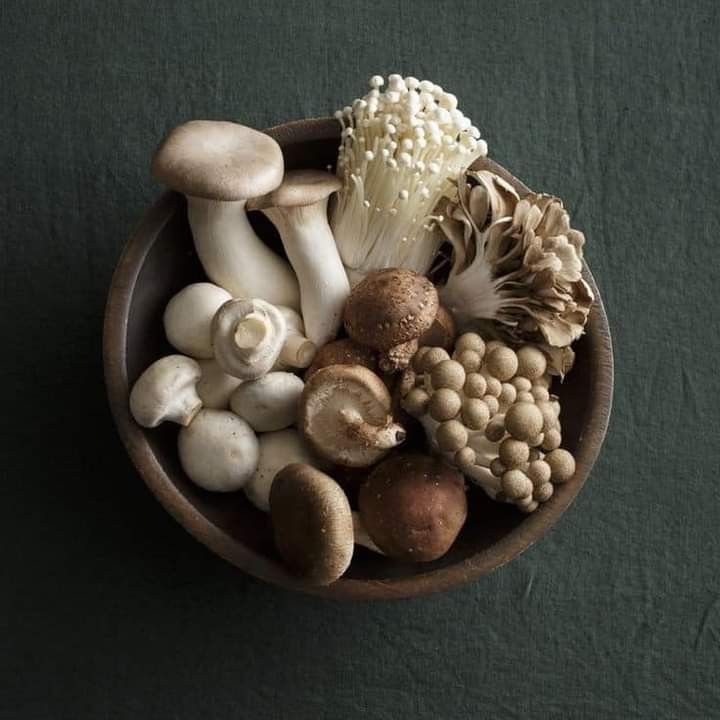
Driven by an urban shift toward plant-based proteins, tech-enabled cultivation, and massive government backing, it has become one of the most profitable uses of small-scale rural and semi-urban spaces.
Mushroom farming in India has transitioned from a seasonal activity to a high-growth, technology-driven industry that contributes significantly to the agricultural economy. Between 2017 and 2026, the sector has evolved through rapid production increases, state-led initiatives, and a shift toward a circular economy by utilizing agricultural waste.
Market Share and Key Varieties
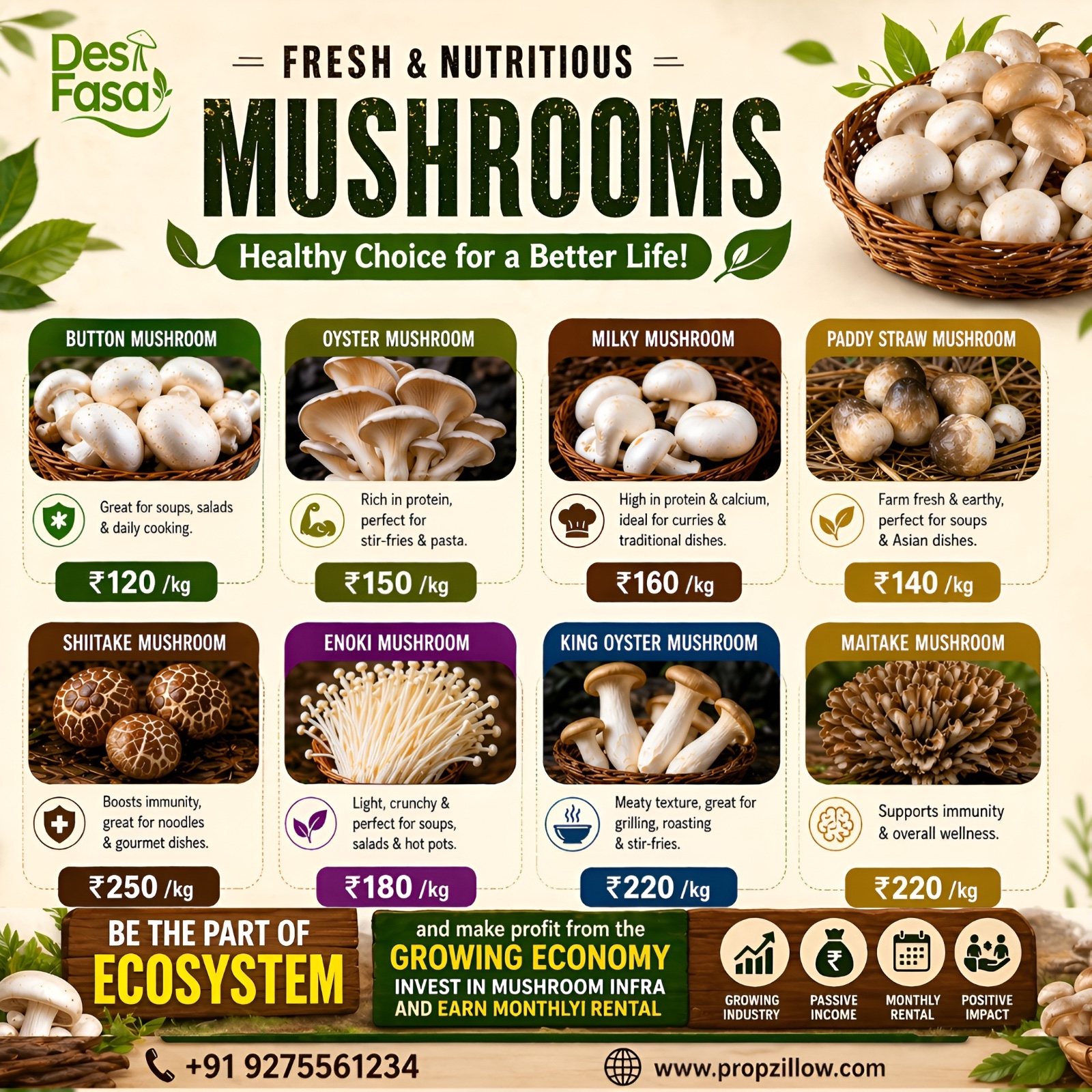
The Indian mushroom landscape is highly stratified, catering to both everyday wholesale markets and high-end niche segments.
- White Button Mushroom: Continues to dominate the domestic market with roughly a 60% market share. Its mild flavor makes it a seamless fit for traditional Indian curries and fast-moving consumer goods.
- Oyster Mushrooms: Accounting for roughly 15–20% of production, it is highly favored by beginners due to its low setup cost, fast growth cycle, and resilience to temperature variations.
- Specialty & Exotic Segment: Growing urban sophistication has spiked the demand for Shiitake, Lion’s Mane, and Milky Mushrooms. Metropolitan consumers and fine-dining restaurants increasingly treat these as premium functional foods. Innovations like Lion’s Mane-infused coffee beans are even entering the Indian artisanal beverage space.
Key Aspects of Mushroom Cultivation
Popular Varieties: White Button (85% of production), Oyster, and Milky mushrooms are the most popular, with a strong market in urban areas.
- Growing Regions: Bihar is India’s largest producer (10.82%), followed by Odisha, Punjab, Haryana, and Maharashtra.
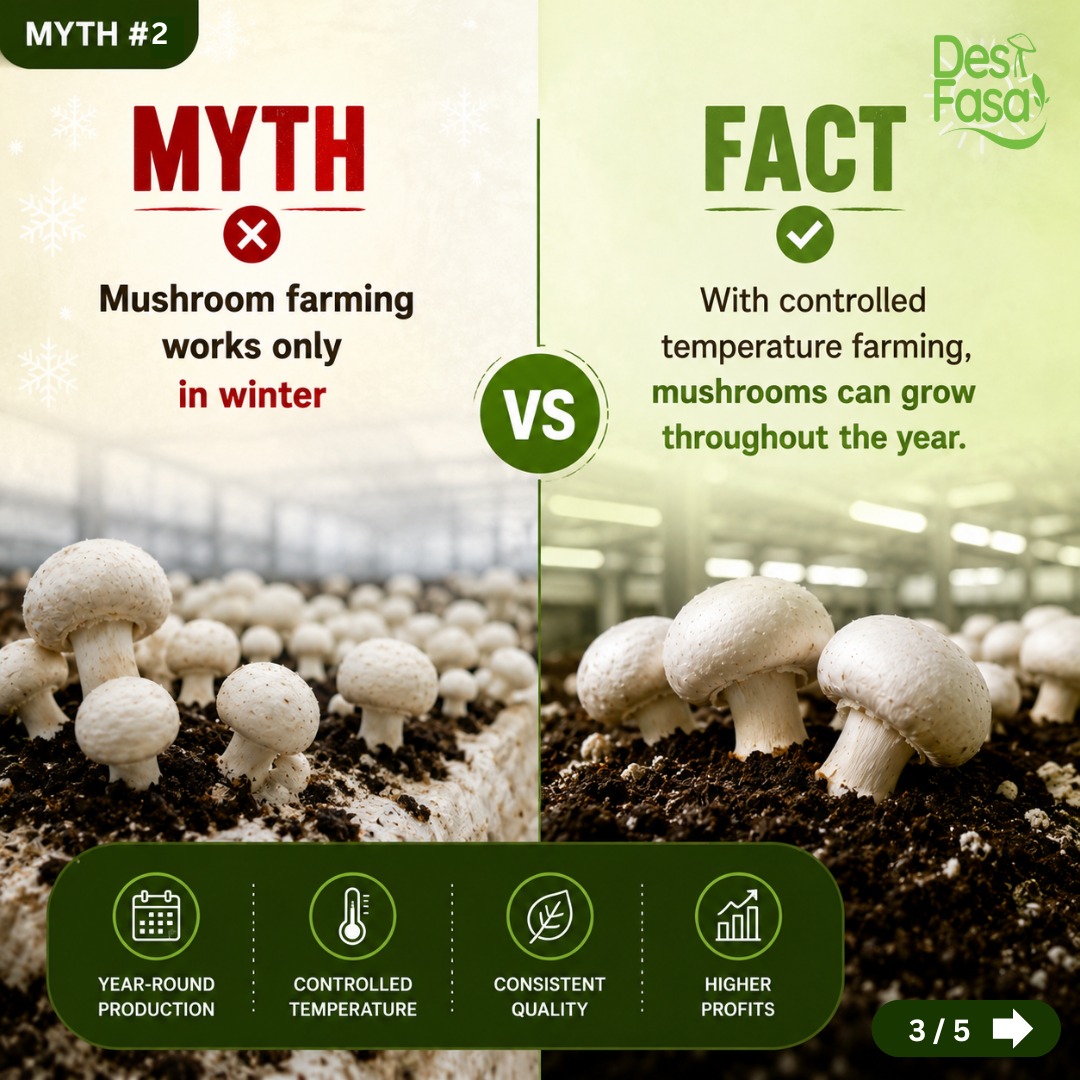
- Seasonal vs. Commercial: Seasonal cultivation occurs in cold regions like Himachal Pradesh and Jammu & Kashmir during winter, while commercial, environmentally controlled farms operate year-round.
- Profitability: Small-scale ventures can yield significant returns, with commercial setups potentially offering high-profit margins after the first year.
- Infrastructure: Requires 24-28°C for spawn run and 16-18°C for button mushroom fruiting, with 80-90% humidity, often managed via IoT and smart data loggers.
Steps How To to Start
- Training: Get training on composting, spawning, and harvesting.
- Infrastructure Setup: Set up a clean, dark room for cultivation.
- Raw Materials: Source paddy straw, wheat straw, or other agricultural waste.
- Marketing: Focus on direct sales to retail, hotels, and restaurants.
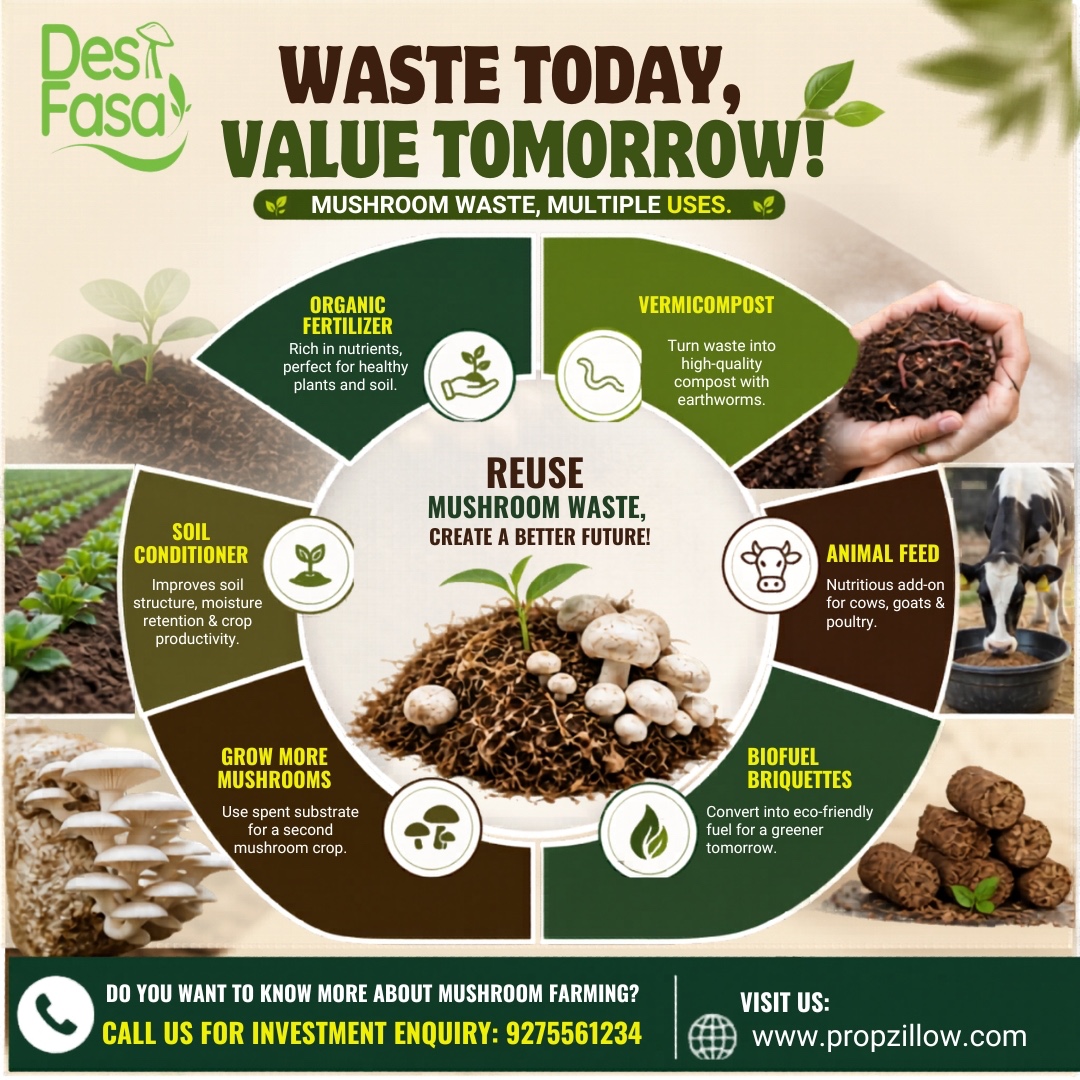
Mushroom Farming: Garbage Into Gold
Mushroom farming is one of the most efficient ways to turn “garbage into gold.” In the context of a circular economy, mushrooms act as the ultimate recyclers, breaking down organic waste that would otherwise be burned or dumped.
In India, the reuse of agricultural and industrial “garbage” for mushroom substrate is a major driver of economic growth and environmental sustainability.
- Agricultural “Garbage” (The Most Common)
- Industrial & Processing Waste
- Household & Urban “Garbage”
The “Double Revenue” Model
One of the biggest natural benefits of using waste for mushroom farming is what happens after the harvest:
- Primary Income: Selling the fresh mushrooms.
- Secondary Income (SMS): The leftover material is called Spent Mushroom Substrate (SMS). It is essentially “pre-digested” organic matter that makes for an incredible, high-potency bio-fertilizer. Many farmers sell this back to nurseries or use it to grow organic vegetables, creating a zero-waste loop.
- A Professional Tip: If you are sourcing “garbage” like sawdust or straw, ensure it hasn’t been treated with chemicals or pesticides, as mushrooms are highly absorbent and will pull those toxins into the final product.
Mushroom Farming: Natural Benefits
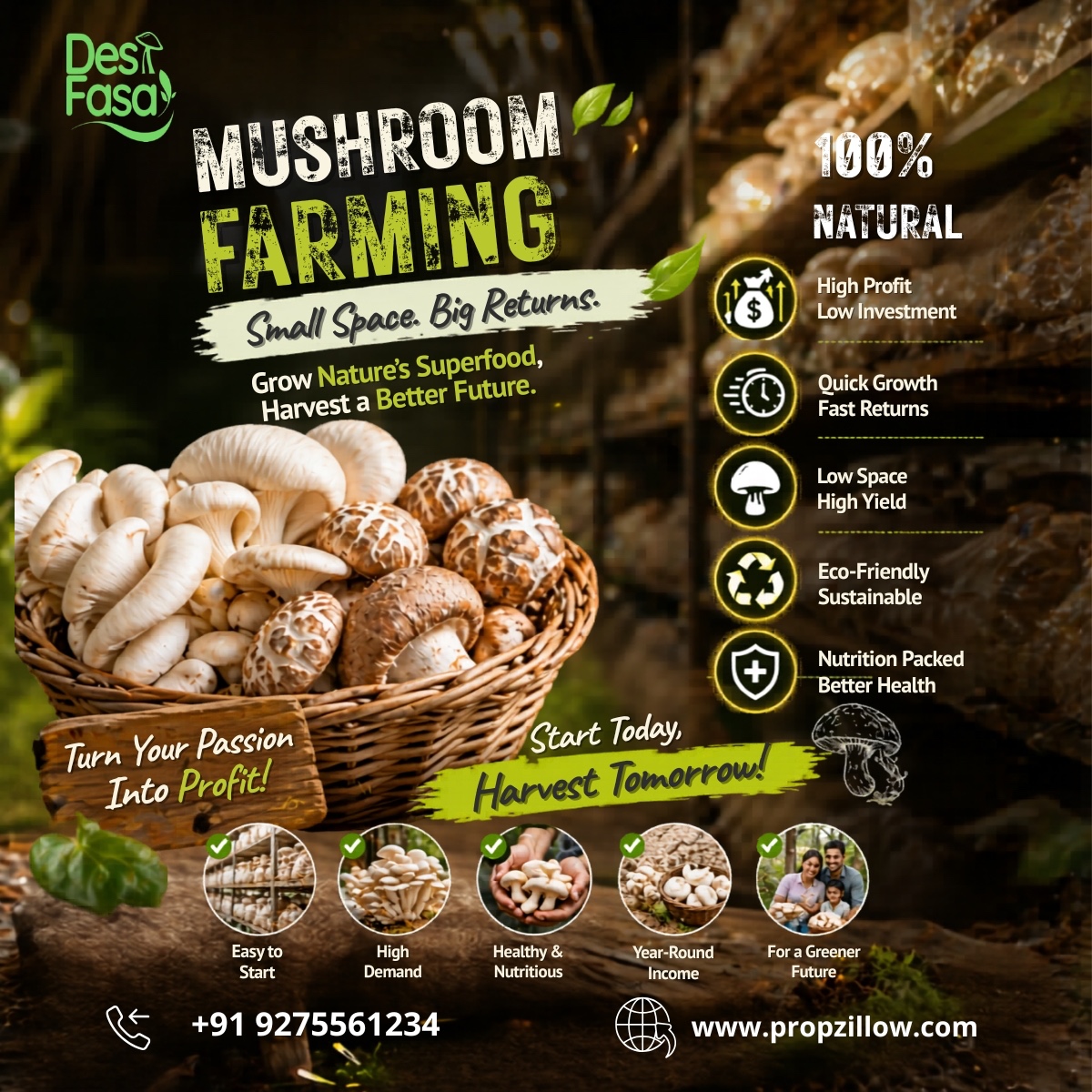
Beyond their culinary uses, mushrooms are unique biological powerhouses. Because they belong to the Kingdom Fungi—sharing more DNA with humans than with plants—they offer a specific set of bio-available compounds that are difficult to find in typical vegetables.
- Here are the primary natural benefits of mushrooms:
- The “Sunshine” Vitamin (Vitamin D)
- Natural Beta-Glucans (Immune Intelligence)
- Cellular Protection (Ergothioneine & Selenium)
- Prebiotic Fiber (Gut Health)
A Quick Safety Reminder
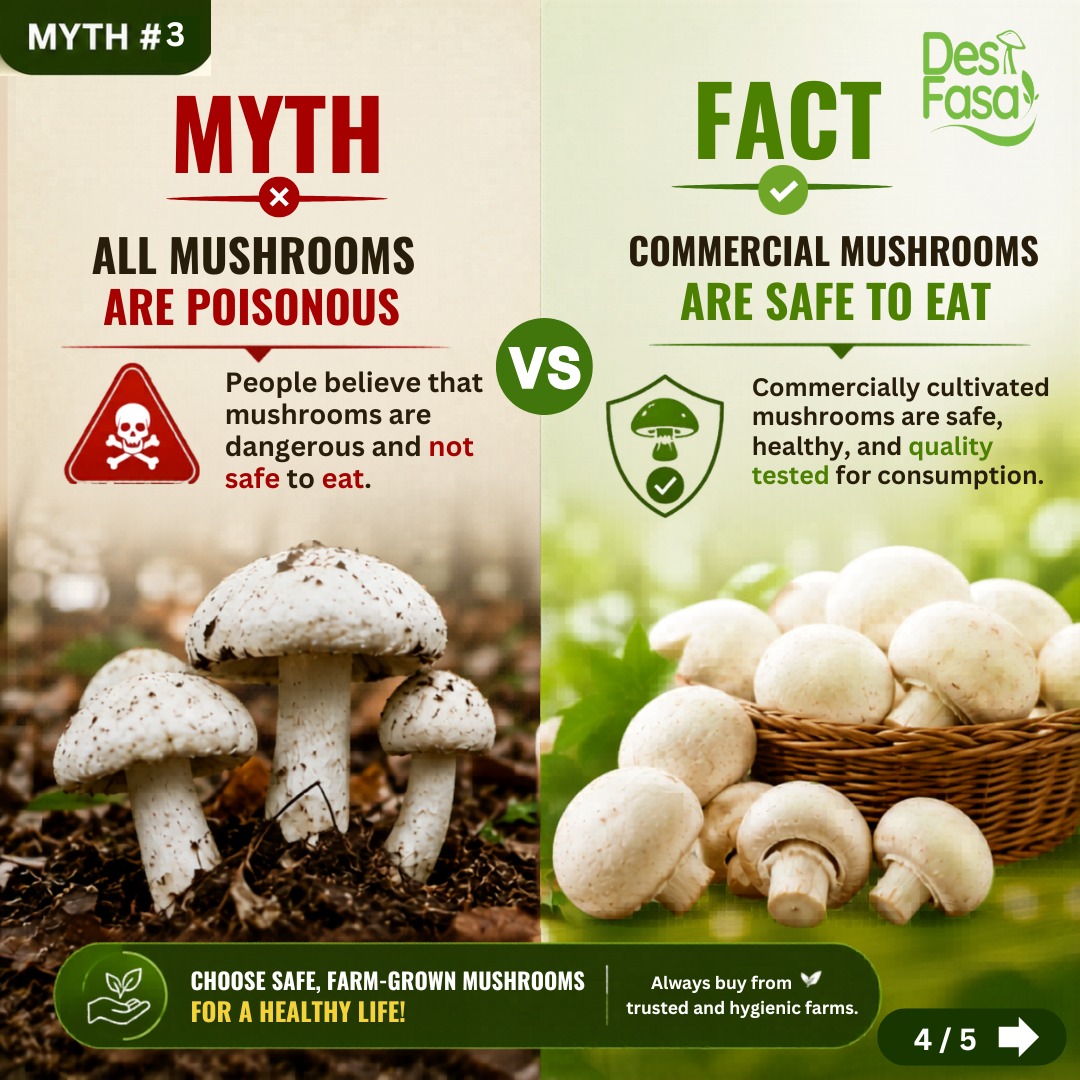
While the natural benefits are vast, bio-accumulation is a factor. Mushrooms act like sponges, absorbing everything from their environment. For this reason, it is always best to source mushrooms that are grown in controlled, organic conditions rather than harvesting from unknown wild areas where soil may contain heavy metals.
Mushroom Farming: Medical Benefits
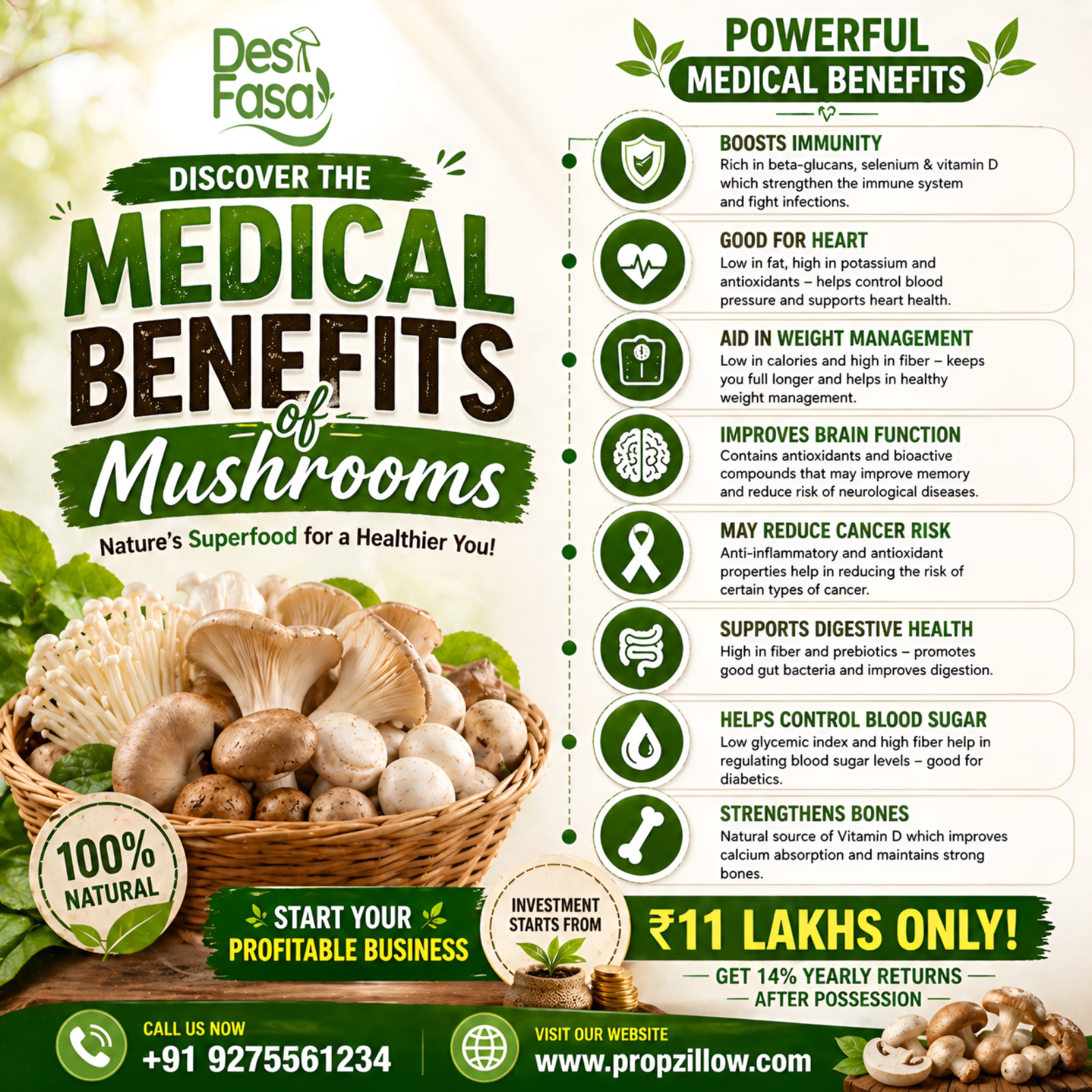
Beyond their culinary appeal, mushrooms are increasingly recognized as “functional foods.” In India and globally, research has shifted toward their medicinal properties, particularly their role in supporting the immune system and metabolic health.
- Immune System Modulation
- Cognitive Health & “Brain Food”
- Metabolic & Cardiovascular Support
- Adaptogenic Properties
Safety & Preparation Note
Bioavailability: Most medicinal compounds in mushrooms are locked behind “chitin” (tough cell walls). To get the health benefits, mushrooms should be cooked or consumed as a dual extract (tincture/powder) rather than raw.
Foraging Safety: Never consume a wild mushroom unless it has been identified by a professional, as many toxic species look nearly identical to medicinal ones.




Join The Discussion